

A Proactive Approach to Growing Smiles


Early Orthodontic Treatment for Kids in the Western Chicago Suburbs
As a parent, you want to give your child every opportunity to grow with confidence, and that includes a healthy, well-aligned smile. Early orthodontic treatment at Advanced Orthodontic Specialists (AOS) is designed to guide your child’s dental development while their smile is still growing, which can help set them up for success now and in the future.
With offices in Elmhurst and Forest Park, we serve surrounding communities, including Oak Brook, Villa Park, Addison, Lombard, Berkeley, and Hillside. We’re proud to support families throughout the region with proactive, family-centered orthodontic care.
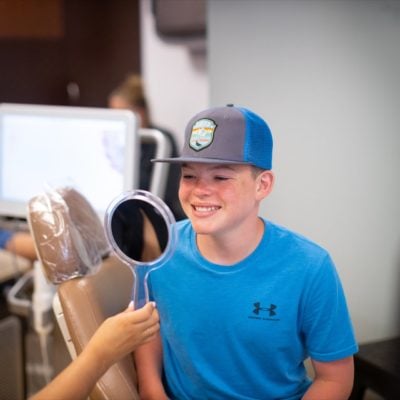
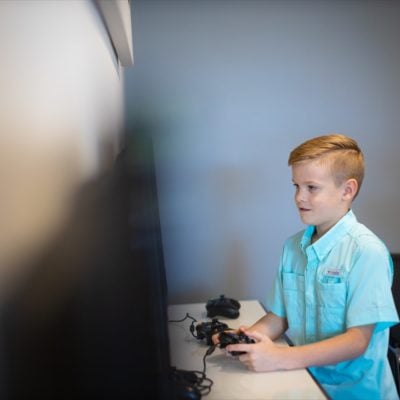
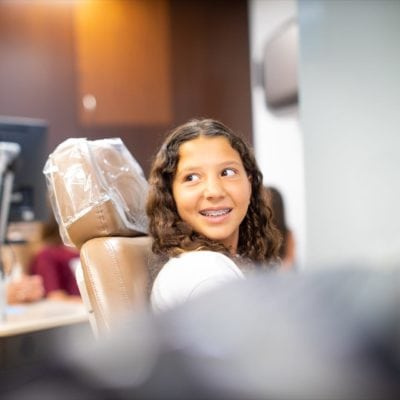
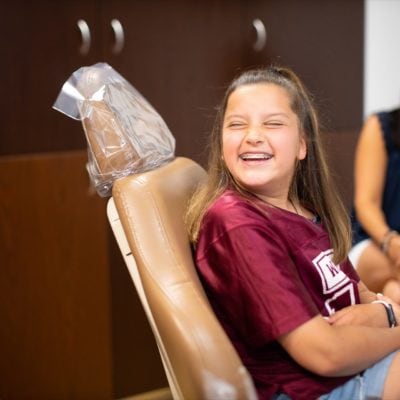




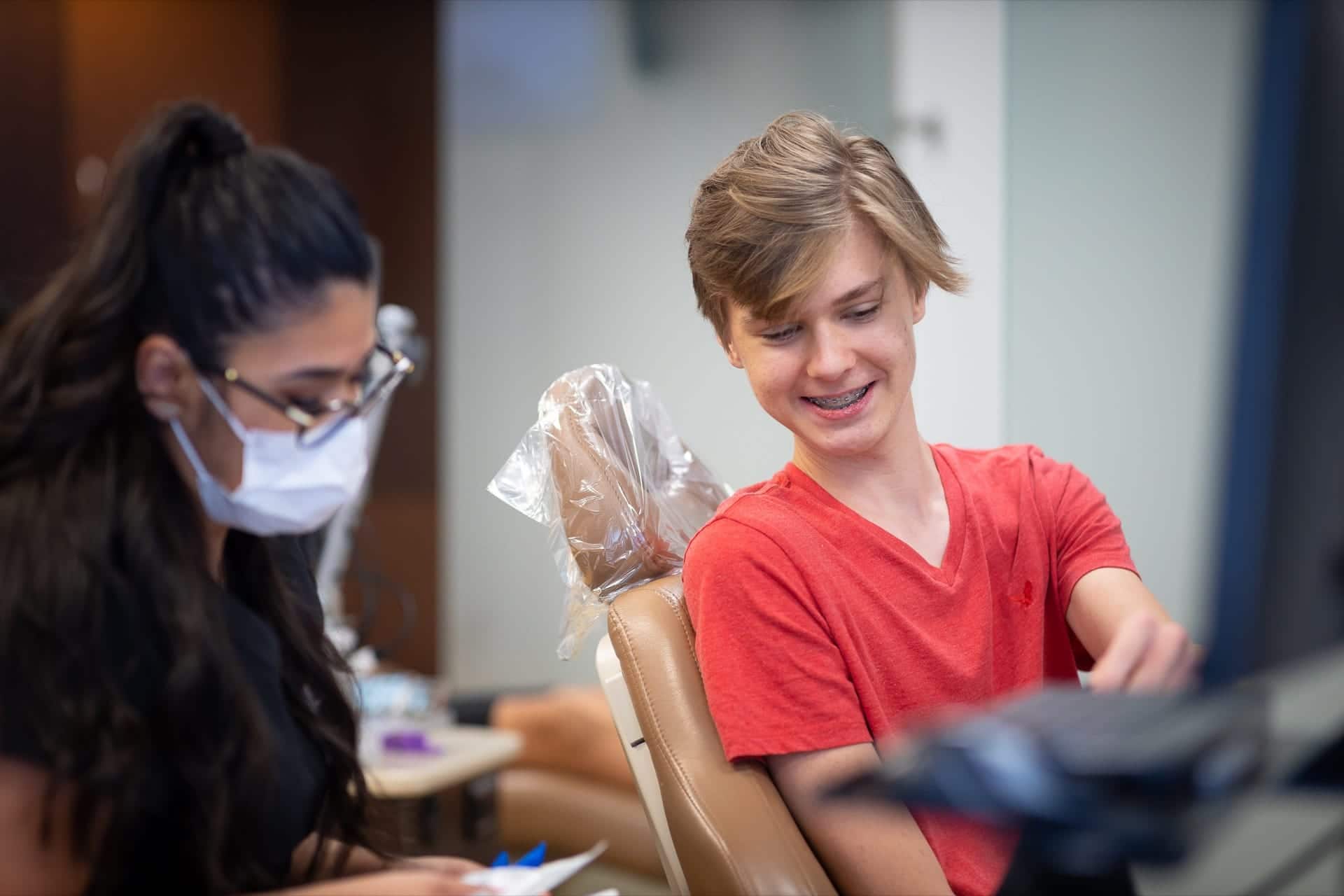
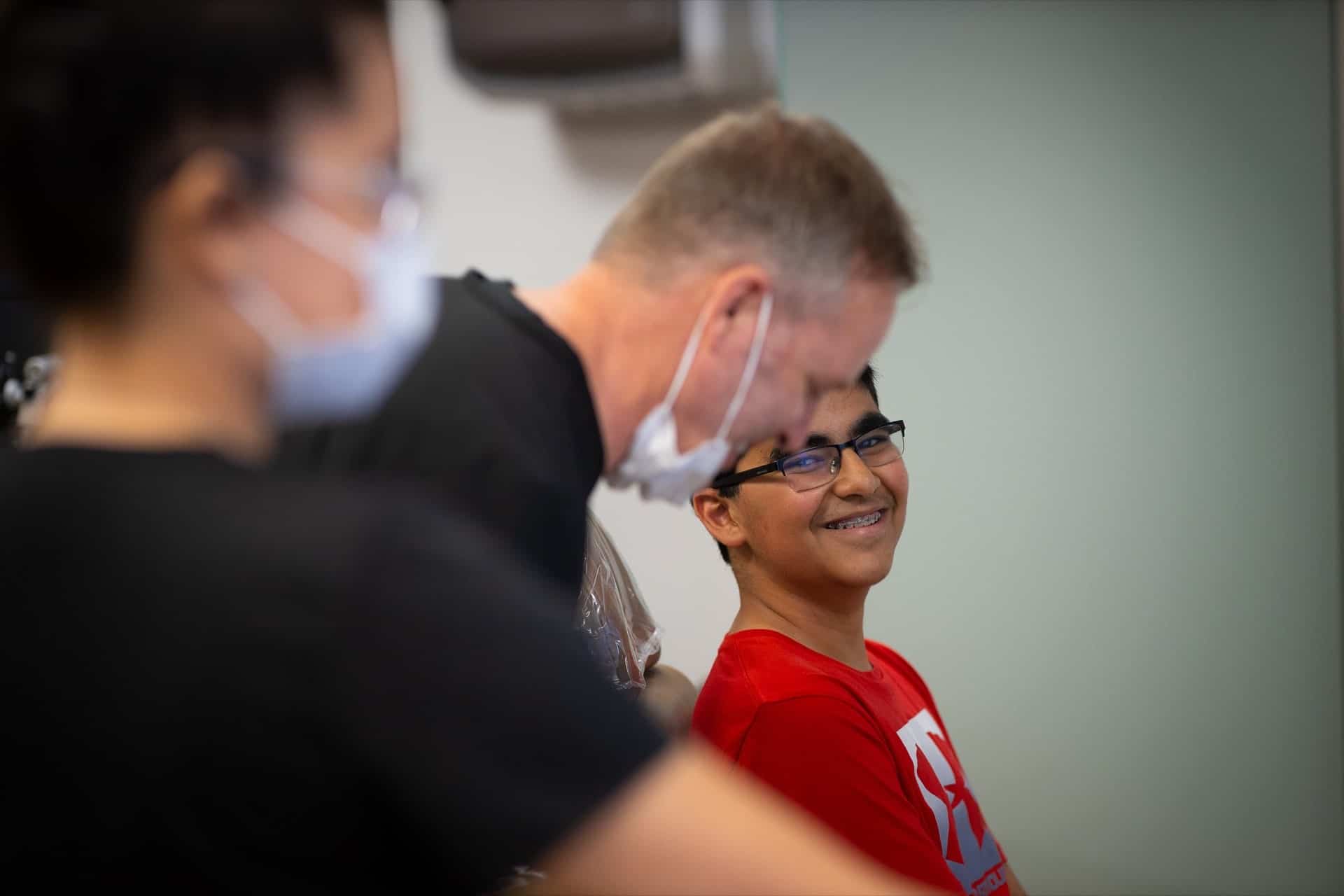
What Is Early Orthodontic Treatment?
Early orthodontic treatment, also known as Phase 1 treatment, focuses on guiding a child’s jaw development and creating space for permanent teeth before all their adult teeth have come in.
Rather than correcting problems later, early treatment helps:
- Improve how the upper and lower jaws fit together
- Support proper alignment as permanent teeth emerge
- Reduce the complexity of future orthodontic care
At our practice, early treatment is always personalized and conservative. We only recommend it when it offers clear benefits for your child.
Benefits of Phase 1 Orthodontic Treatment
Early orthodontic treatment isn’t always necessary, but when it is, it can make a meaningful difference in your child’s smile.
Guides Healthy Jaw Development
Early orthodontic treatment helps guide how your child’s jaw grows and develops. By addressing concerns at the right time, we can encourage proper alignment and function, creating a strong foundation for a healthy smile.
Creates Space for Permanent Teeth
As adult teeth begin to come in, space can become limited. Early treatment helps create room for proper tooth eruption, reducing crowding and alignment issues. This can support a smoother transition into a more balanced, aligned smile.
Reduces Risk of Dental Trauma
Children with protruding front teeth may be more susceptible to chips or injuries during everyday activities. Early orthodontic care can help reposition these teeth, lowering the risk of trauma and protecting your child’s smile during playtime and sports activities.
Supports Better Oral Habits
Certain habits, like thumb sucking or tongue thrusting, can impact how teeth and jaws develop. Early treatment allows us to identify and gently correct these patterns, preventing long-term complications and supporting healthier oral development.
May Simplify Future Treatment
One of the biggest advantages of early orthodontic care is that it can make future treatment more efficient, with later phases of treatment often becoming shorter and less complex. This approach helps create a more predictable, comfortable orthodontic journey overall.
Early Treatment Options at Advanced Orthodontic Specialists
Early orthodontic treatment isn’t one-size-fits-all. That’s why we offer a variety of treatment options, each tailored to your child’s unique smile and stage of development.

Growth Guidance Program
This complimentary program allows our team to track your child’s progress over time, identify potential concerns early, and step in at the right moment if needed. Along the way, kids enjoy a fun, welcoming experience with small rewards, while parents gain peace of mind knowing their child’s smile is being carefully guided by a trusted team.

Damon™ Braces
Damon Braces are a modern, self-ligating braces system. They may be used in early treatment care to reduce the need for tooth extractions and frequent adjustments, creating a more comfortable experience for your child while supporting a more balanced and well-functioning smile.

Mini Palatal Expanders
Mini palatal expanders are used during key growth stages to help widen the upper jaw in children with developing, narrow arches. By guiding jaw development early, this treatment can create space for permanent teeth and support better alignment, often reducing the need for more complex orthodontic treatment later on.
Airway-Focused Care
Airway-focused orthodontic care plays an important role in early treatment by supporting proper jaw development and healthy breathing patterns. By evaluating how the teeth, jaws, and airway work together, early intervention can help guide growth, encourage nasal breathing, create space for developing teeth, and support your child’s overall well-being.
What To Expect with Early Orthodontic Treatment
Starting early orthodontic treatment may feel like a big step, but the process is designed to be simple, supportive, and tailored to your child. Here’s what you can expect along the way:
A Comfortable, Child-Friendly First Visit
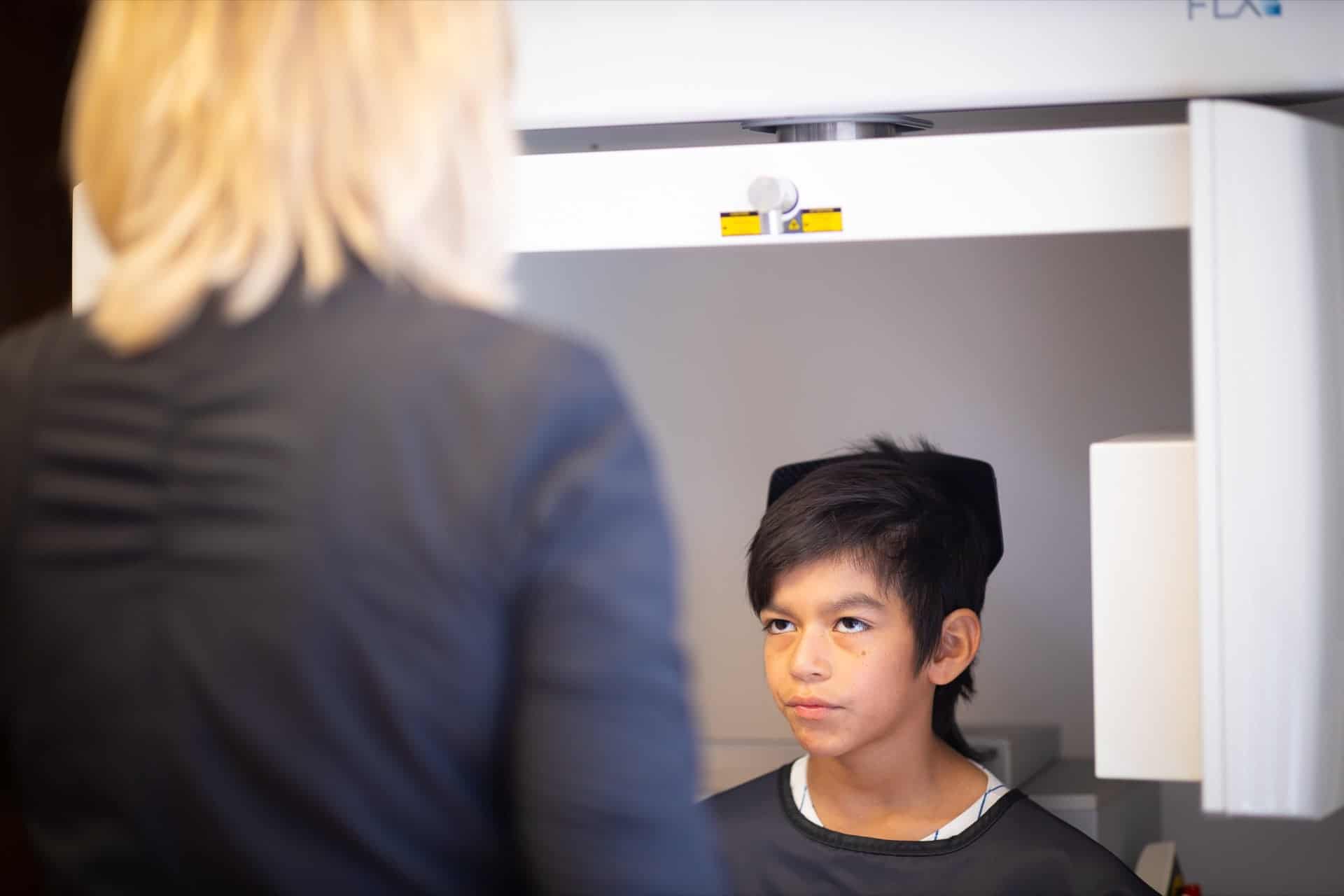
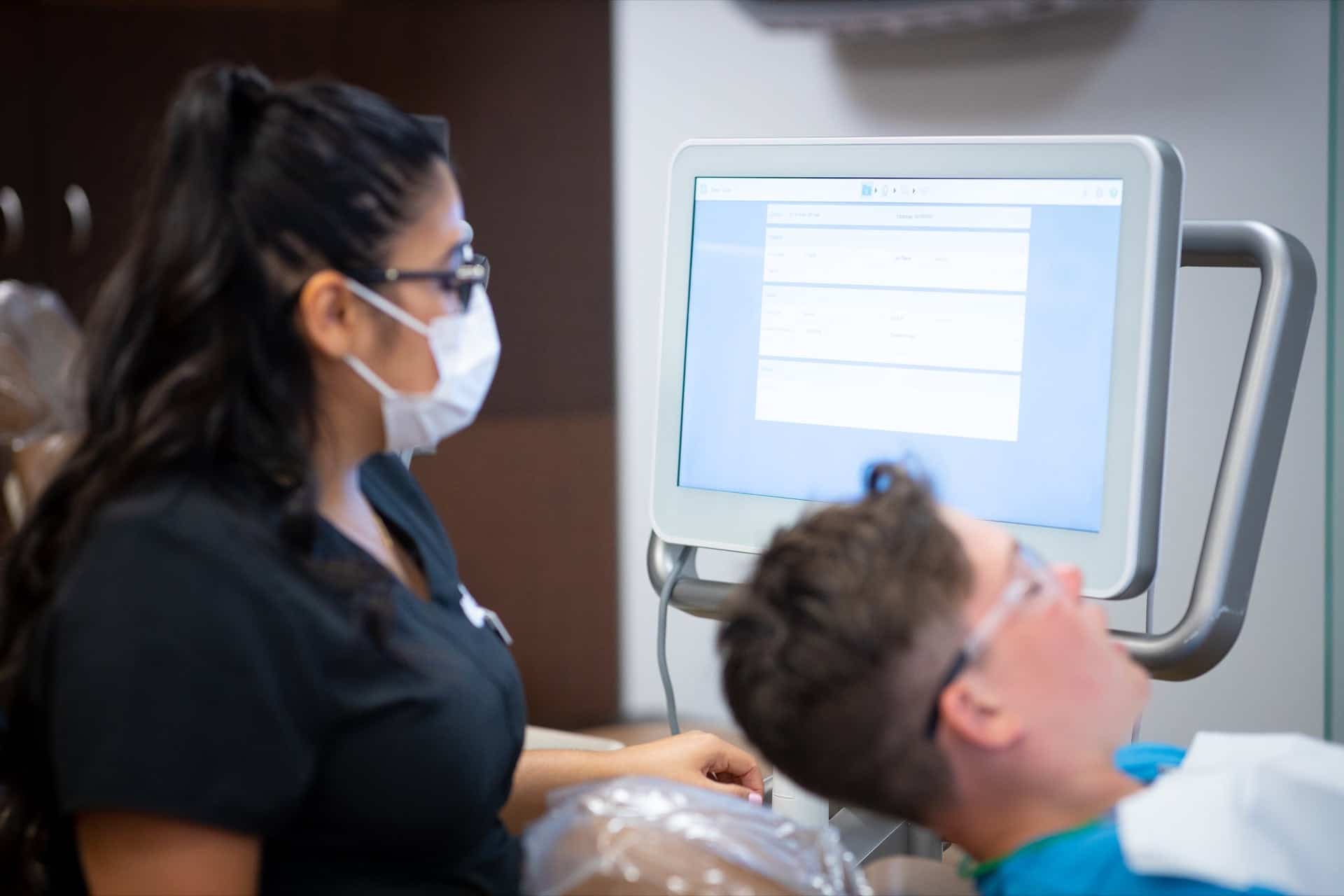
Your child’s first visit is all about getting to know them and evaluating how their smile is developing. We use advanced imaging and a gentle approach to ensure a comfortable experience while gathering the information we need to make informed recommendations.
Simple, Effective Treatment Options
If treatment is recommended, it may include appliances or partial braces designed to guide development. Our focus is always on using the most efficient, comfortable solutions that support healthy growth without overcomplicating the process.
Personalized Treatment Recommendations
Every child is different, which is why we don’t take a one-size-fits-all approach. If early treatment is beneficial, we’ll explain your options clearly and walk you through what to expect, so you can make confident decisions for your child.
A Smooth Transition to Future Care
After early treatment, we continue to monitor your child’s smile as it develops. If additional treatment is needed later on, it’s often simpler and more efficient thanks to the foundation we’ve already created.
Ongoing Monitoring and Support
Throughout treatment, we’ll monitor your child’s progress closely with regular visits. Our team is always available to answer questions, provide guidance, and ensure your child feels comfortable and confident every step of the way.
How To Know if Your Child May Need Early Orthodontic Treatment
Every child’s smile develops differently, but certain signs may indicate it’s time for an orthodontic evaluation. Even if you’re unsure, an early visit can provide clarity and peace of mind.
Signs to look for include:
- Crowded, overlapping, or misplaced teeth
- Early or late loss of baby teeth
- Difficulty biting or chewing food
- Teeth that stick out or don’t meet properly
- Mouth breathing or snoring habits
- Thumb sucking or prolonged oral habits
- Jaws that shift, make sounds, or appear misaligned
If you’re noticing any of these signs, or if your child is around age 7, it’s a great time to schedule a complimentary consultation. Our team will gently evaluate their smile, answer your questions, and help you understand the best path forward with no pressure.
Cost of Early Orthodontic Treatment
The cost of early orthodontic treatment can vary depending on your child’s unique needs and whether treatment is recommended.
At Advanced Orthodontic Specialists, we offer flexible, interest-free financing options and customized payment plans designed to fit your family’s budget. We also work with your insurance to help you maximize available benefits whenever possible. For children who don’t need active treatment yet, our Growth Guidance Program is completely complimentary, meaning you won’t have to pay while we monitor your child’s growth.
In many cases, early treatment can actually reduce the need for more complex care later on, which saves you money in the long-run. The best way to understand cost is through a complimentary consultation, where we’ll walk you through your options clearly and answer any questions.
Schedule an Early Orthodontic Treatment Evaluation Today
Choosing the right time for orthodontic care doesn’t have to feel overwhelming. Our team is here to guide you every step of the way with honest recommendations and a personalized approach built around your child’s needs.
With convenient locations in Elmhurst and Forest Park, our team is proud to serve families with care that feels supportive, thoughtful, and never rushed. The best place to start is with a complimentary consultation. We’ll take the time to evaluate your child’s smile, answer your questions, and help you feel confident in what comes next.


Frequently Asked Questions About Early Treatment
When should I take my child to see an orthodontist?
We recommend bringing your child in for an initial checkup no later than age 7, according to guidelines from the American Association of Orthodontists (AAO). These are very formative years where the facial bones and muscles are beginning to shift and change the most.
Can my child receive treatment if they are missing teeth?
Yes! In fact, it is important to make room for incoming permanent teeth by properly shifting the baby teeth so that everything is aligned as it should be.
What if my child has a loose tooth or loses a tooth during treatment?
Once we detect a loose tooth, we will remove the brackets so that the tooth can fall out and adjust the braces accordingly. If your child still has their braces on once the permanent tooth arrives, we will reapply the bracket if necessary.
Will my child experience any pain?
Discomfort is common for children beginning their treatment, but it eventually subsides as their teeth begin to shift. Over-the-counter pain relief medication can help soothe aches and pains while your child adjusts.
Proudly Serving: Chicago, Elmhurst, Oak Brook, Villa Park, Addison, Northlake, Wood Dale, Bensenville, Forest Park, and the surrounding area.
OFFICE HOURS
Mon: 8:30 – 5:00 pm
Tue: 8:30 – 5:00 pm
Wed: 8:30 – 6:00 pm
Thu: 8:30 – 5:00 pm
Fri: 8:30 – 4:00 pm
*Sat: Closed
*Sun: Closed
Forest Park
1129 S. Harlem Avenue
Forest Park, IL 60130
(708) 366-7846
Elmhurst
275 N York St, Ste 200
Elmhurst, IL 60126
(630) 832-8320